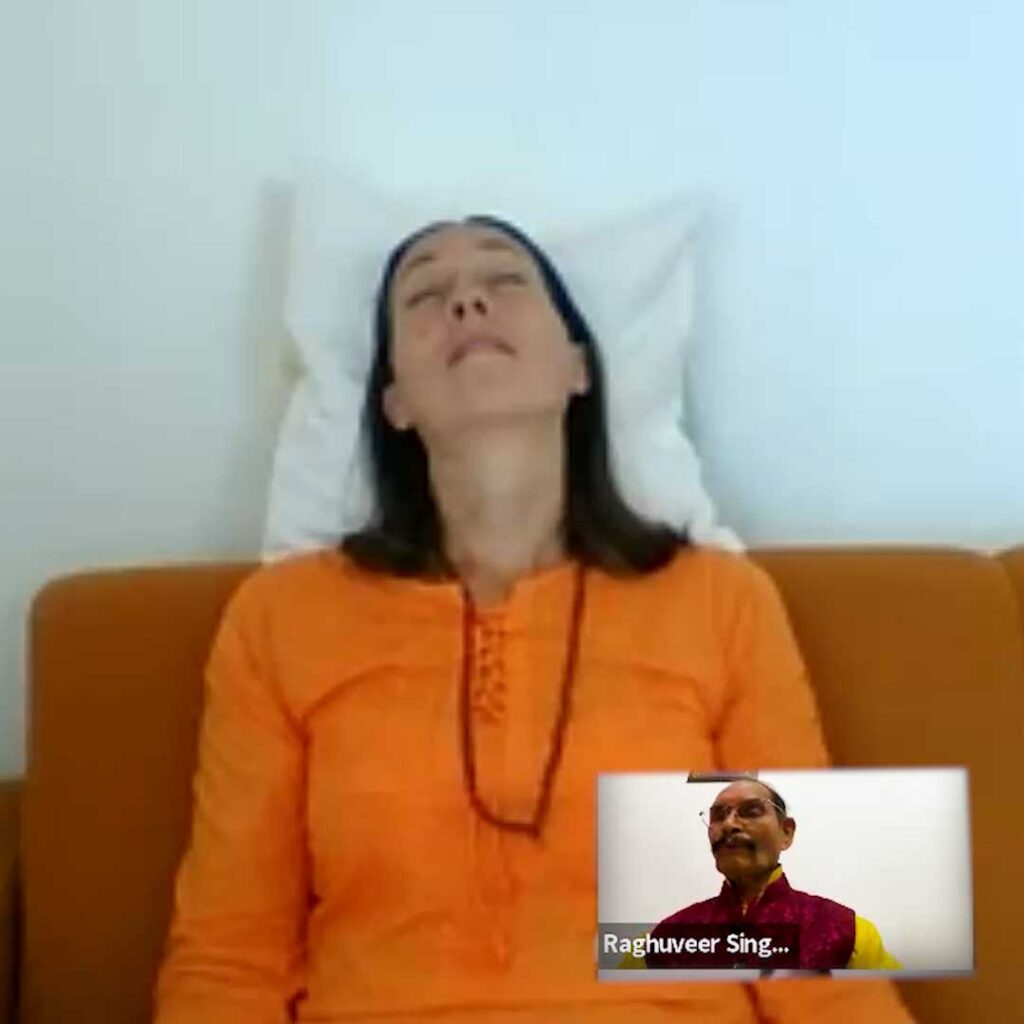
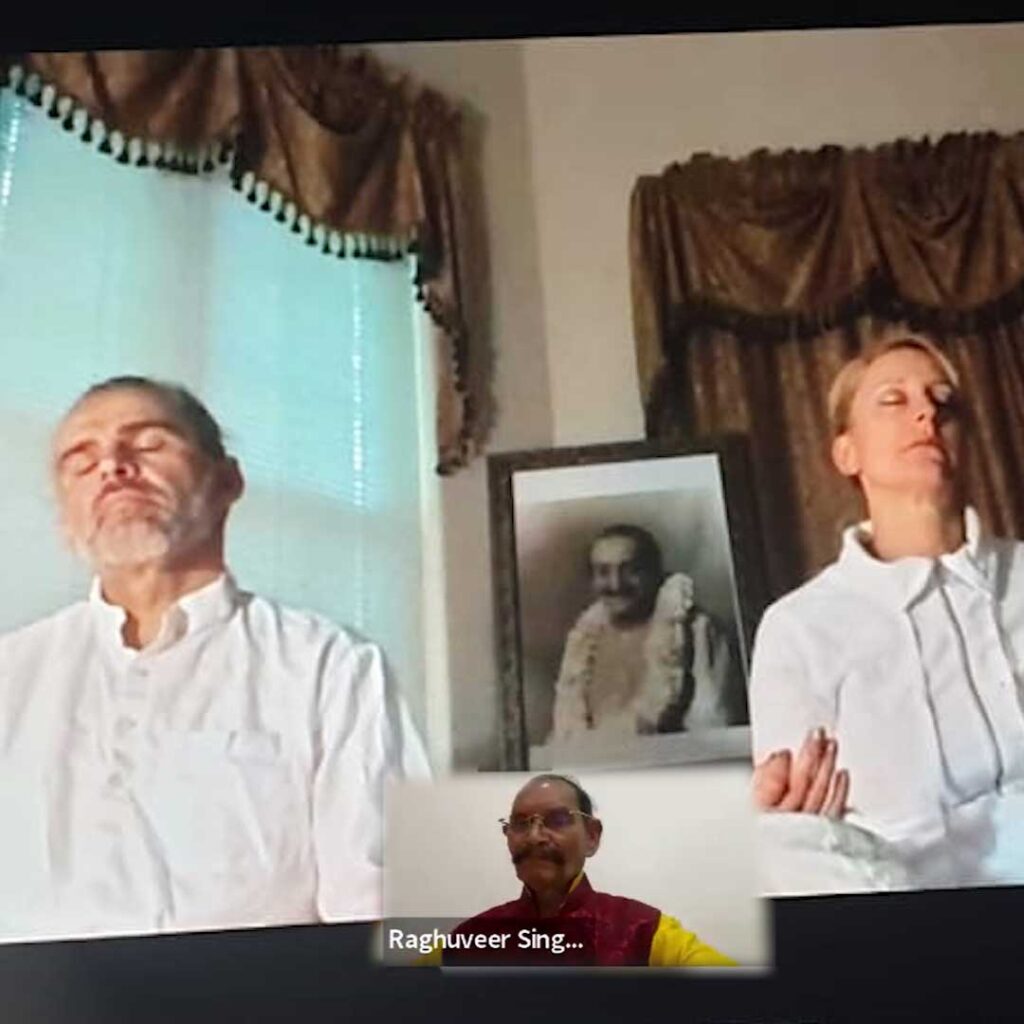
The most efficient and best way to awaken Kundalini is Shaktipat. The word Shaktipat is a combination of two Sanskrit words: “Shakti”, meaning universal and cosmic energy, and “Pat”, meaning casting or the act of descending into one’s body. This transfer of energy occurs between three energies: the God, the Guru (Master), and the Disciple. This Shaktipat initiation is also known as Piercing Initiation because it gradually pierces through all six yogic plexuses.
Shaktipat initiation awakens the dormant divine energy within, unleashing a conscious, inspiring, and enlightening force. This power is not external but already exists within the aspirant in an inactive state. When awakened by the Guru’s grace, it manifests as prana (vital life force), guiding the seeker on the spiritual path. Just as sunlight is needed to see the sun, self-knowledge arises only through the power of the Self. Therefore, the disciple must have firm faith in Kundalini, the Guru, and God, while maintaining regular meditation practice to nurture this divine energy.
When a faithful disciple fully surrenders to a capable Guru, the Guru bestows Shaktipat initiation, awakening the dormant spiritual energy within. This awakening leads to divine experiences that cleanse the disciple’s subconscious mind of past impressions. Over time, the disciple feels deep gratitude for this purification and experiences a renewed state of mind. As his longing for union with God intensifies, he gains control over his senses, develops strong willpower, and governs himself with clarity and purpose. Eventually, he transcends immoral thoughts and addictions, progressing toward spiritual liberation.
A competent Guru is essential for guiding a disciple toward spiritual awakening. Just as a blind person cannot lead another blind person, an incompetent Guru, bound by worldly attachments, cannot help a disciple attain liberation. A true Guru, through wisdom, discipline, and divine energy, can free an aspirant from the limitations of the material realm. However, spiritual progress is a two-way process—a disciple must also be virtuous, faithful, and devoted and hence truly benefit from the Guru’s guidance. Without purity and sincerity on both sides, the Guru-disciple relationship remains ineffective.
A deserving disciple is one who is devoted, self-reflective, and committed to self-improvement. He must recognize his flaws, work on them, and remain steadfast in his spiritual journey. Faith and unwavering devotion are crucial in this path, as doubt weakens the disciple’s progress and creates obstacles to liberation.
Initiation is the fundamental requirement for meditation, but it is only the beginning of the spiritual journey. After initiation, intense and dedicated meditation (Tapa) becomes essential. Some people mistakenly believe that once they receive initiation, divine powers will naturally come to them, all their difficulties will disappear, and their Guru will take full responsibility for their spiritual growth. They assume that since they have been initiated, they no longer need to put in any personal effort—just visiting the Guru occasionally is enough.
In reality, initiation establishes a deep and personal connection between the Guru and the disciple. It opens the door to meditation, strengthens spiritual progress, and provides inspiration and guidance. The disciple can seek refuge in the Guru, clear doubts, and receive support to overcome obstacles. However, meditation itself must be done by the disciple with sincerity and dedication. The Guru’s grace is most effective when it is met with the disciple’s own faith, devotion, and effort. When the disciple actively engages in meditation, their own self-effort combines with the Guru’s grace, resulting in divine grace, which significantly accelerates spiritual progress.
After initiation, an aspirant must recognize the importance of regular and continuous meditation. In the beginning, enthusiasm may be high, but like a small stream that overflows after heavy rain only to dry up quickly, this enthusiasm may fade when challenges arise or when one becomes absorbed in a comfortable lifestyle. While past meditation efforts are never in vain, true spiritual progress and ultimate liberation require steady, disciplined practice. Therefore, an aspirant must cultivate patience, perseverance, and dedication, ensuring that meditation remains a daily and unwavering part of life.
Practicing tapa does not mean one must abandon worldly responsibilities or leave home. Throughout history, many saints and sages successfully balanced their spiritual practices with their daily duties, proving that devotion and discipline can coexist with worldly life. True renunciation is not about physical detachment but an inner state of surrender and realization. If the time comes when renouncing worldly affairs is necessary for spiritual progress, the divine power within will naturally inspire and guide the aspirant toward that path under the Guru’s guidance.


Practice mindful eating, treating each meal with the same reverence as meditation.

Maintain mental discipline by refraining from dwelling on disturbing thoughts and avoid imposing personal beliefs on others.

Balance meditation and worldly duties to ensure inner stability, while financial discipline fosters peace of mind by living within one’s means.

Speak truthfully with wisdom, avoiding words that cause unnecessary conflict.

Daily self-refiection is vital -recognizing one’s mistakes and sincerely committing to growth.

Confide personal struggles only to the Divine, nurturing inner strength, resilience, and faith. Place unwavering trust in Divine Shakti, meditate with dedication, and surrender to the natural flow of spiritual progress.
WhatsApp us